
Megacities: A Colossus with an Environmental Shadow
Megacities, colossal urban giants teeming with life, are marvels of human innovation. However, their growth comes at a significant cost – a vast environmental shadow that stretches far beyond the city limits.
A Drain on Resources:
Millions crammed into a single location create a relentless demand for natural resources. Here’s how megacities strain the environment:
Energy Guzzlers: The constant need for power for buildings, transportation, and industry leads to high energy consumption, often relying on fossil fuels and contributing to greenhouse gas emissions.
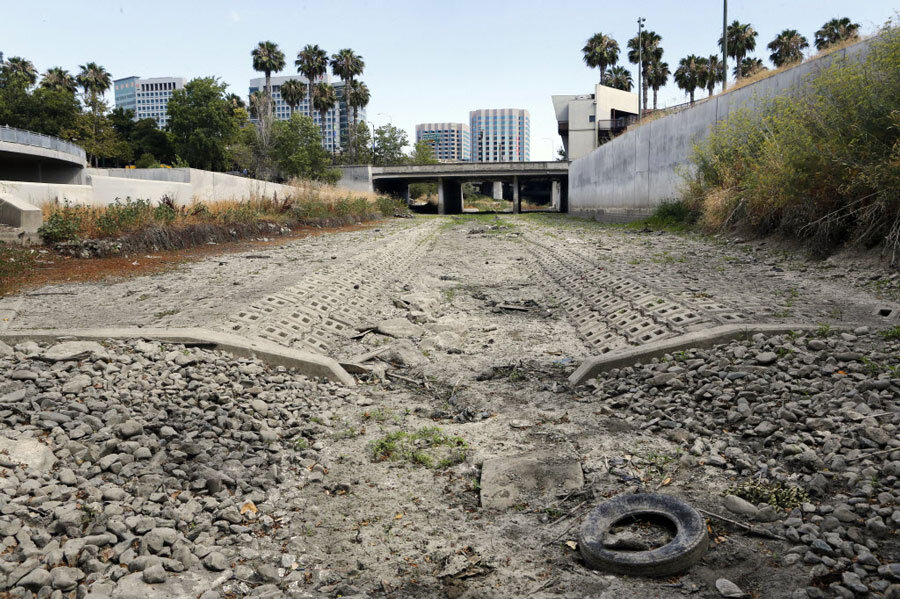
Water Scarcity: Megacities can face water shortages as they struggle to keep up with the demands of a growing population. Existing water sources can become polluted from sewage and industrial waste.
Mountains of Waste: The sheer volume of waste produced by millions of people creates significant challenges for collection, disposal, and recycling.
Pollution Permeates the City:
Air, water, and soil pollution are major concerns in megacities.

Smog City: Traffic fumes, industrial emissions, and power plants contribute to smog, a thick layer of air pollution that causes respiratory problems.
Toxic Waters: Untreated sewage and industrial waste can contaminate waterways, harming aquatic life and threatening human health.
Contaminated Soil: Waste disposal and industrial activity can pollute the soil, impacting agricultural productivity and potentially leaching harmful chemicals into the environment.
Building a Sustainable Future:
The environmental challenges posed by megacities are significant, but not insurmountable. By implementing innovative solutions, we can create a future where these urban giants thrive in harmony with the planet.
Renewable Revolution: Transitioning to renewable energy sources such as solar, wind, and geothermal power can reduce reliance on fossil fuels and decrease greenhouse gas emissions.
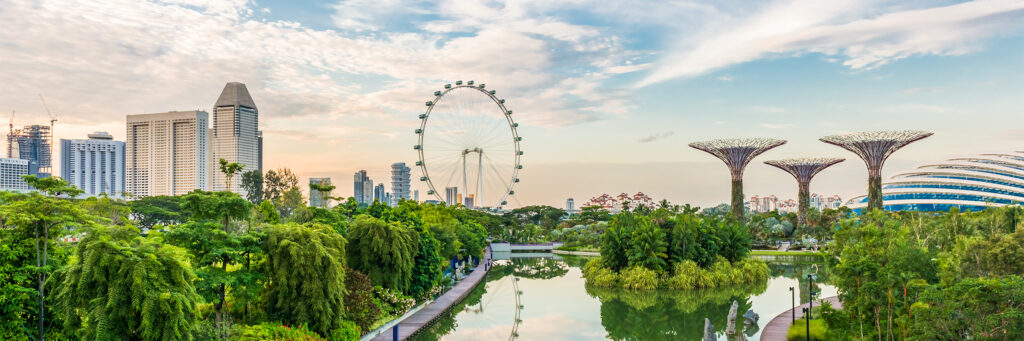
Green Infrastructure: Integrating green spaces, parks, and urban gardens into city planning can improve air quality, reduce the urban heat island effect, and provide natural habitats for wildlife.
Waste Management Revolution: Developing efficient waste management systems with a focus on recycling and composting can minimize environmental impact and create valuable resources from waste.