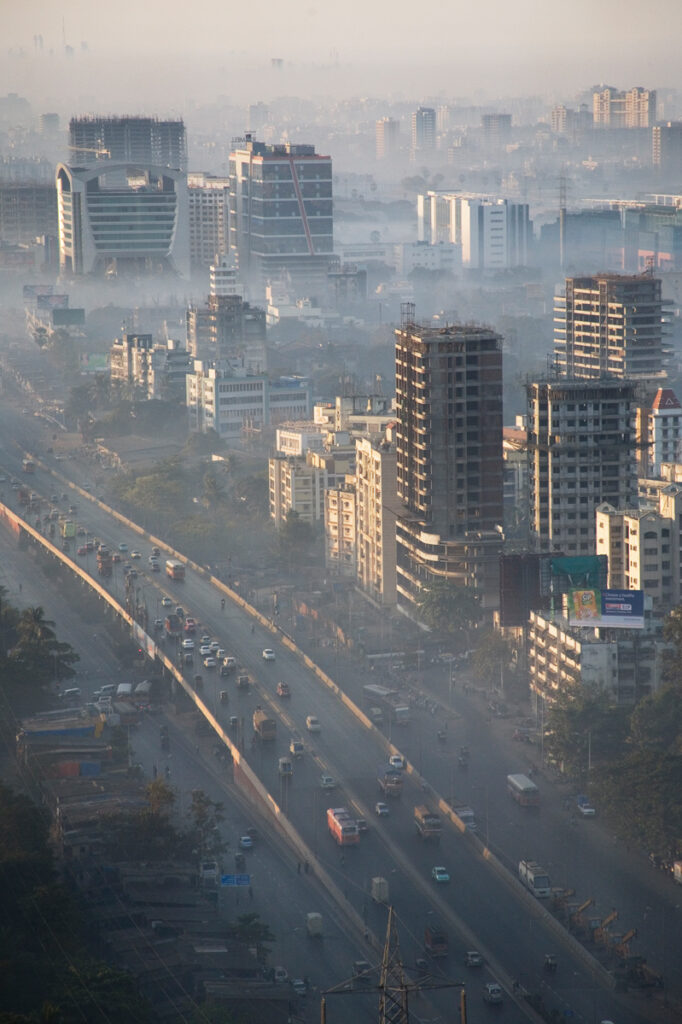
Imagine stepping into a world where every sense is ignited. Towering skyscrapers pierce the sky, a kaleidoscope of colors and textures. The air thrums with the rhythmic pulse of a million lives – the cacophony of street vendors, the honking of taxis, the melodic chatter of diverse languages. Aromas of sizzling street food mingle with the exhaust fumes, creating a unique landscape. This is the heart of a megacity, a sensory feast for some, a potential overload for others.
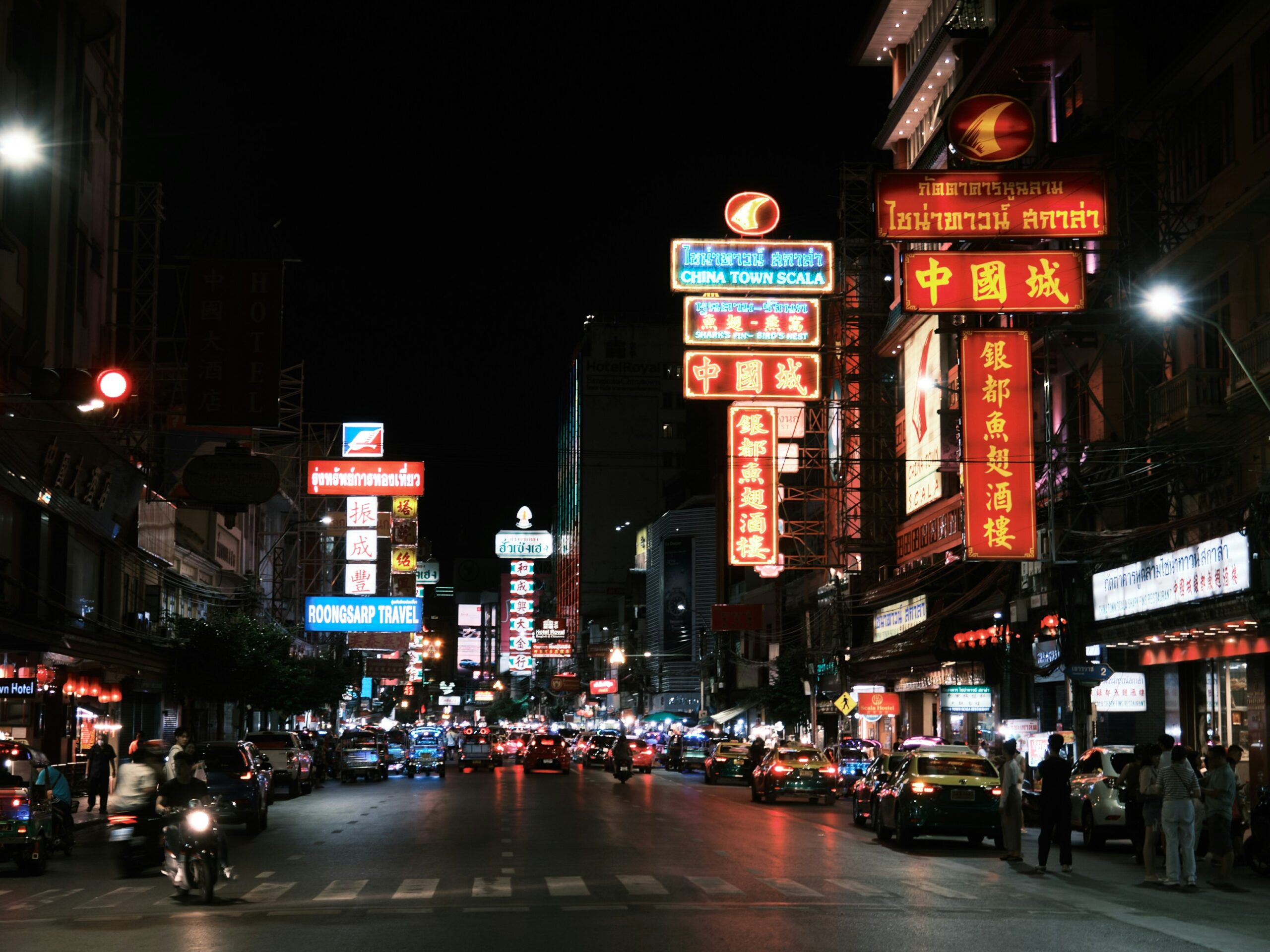
Imagine yourself bathed in the vibrant glow of a megacity at night. Skyscrapers pierce the sky, their windows reflecting a kaleidoscope of colors. Neon signs illuminate bustling streets, casting a captivating aura. This is just a glimpse into the sensory appeal of megacities – a world where every sense comes alive.
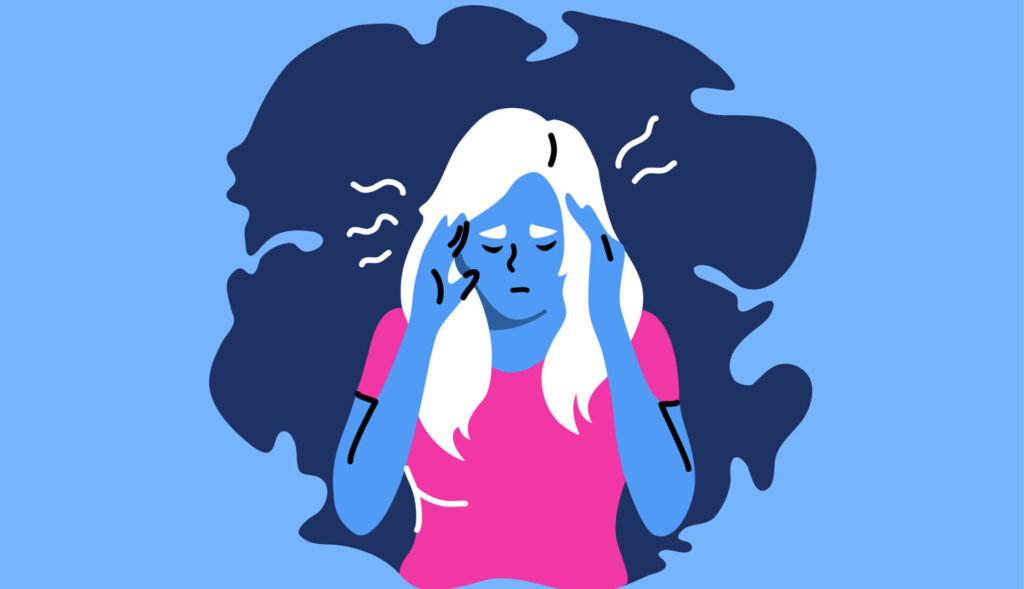
The constant buzz of a megacity can be intoxicating – a symphony of sights, sounds, smells, and textures that keeps your senses on high alert. But what happens when this stimulation becomes overwhelming? This is the reality of sensory overload, a potential downside of urban life.
Megacities, colossal urban centers pulsating with life, are testaments to human ingenuity. Skyscrapers pierce the sky, a vibrant tapestry of cultures thrives, and innovation sparks in every corner. But this progress comes at a price – a significant environmental impact that ripples outwards, affecting the planet in profound ways.