
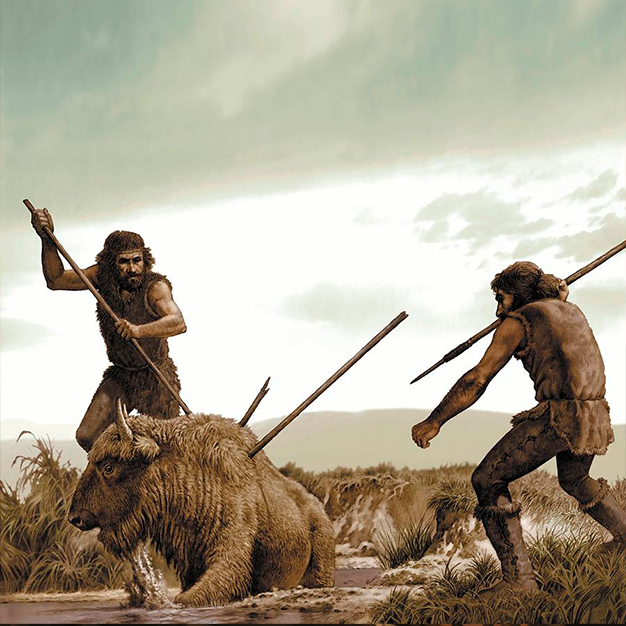
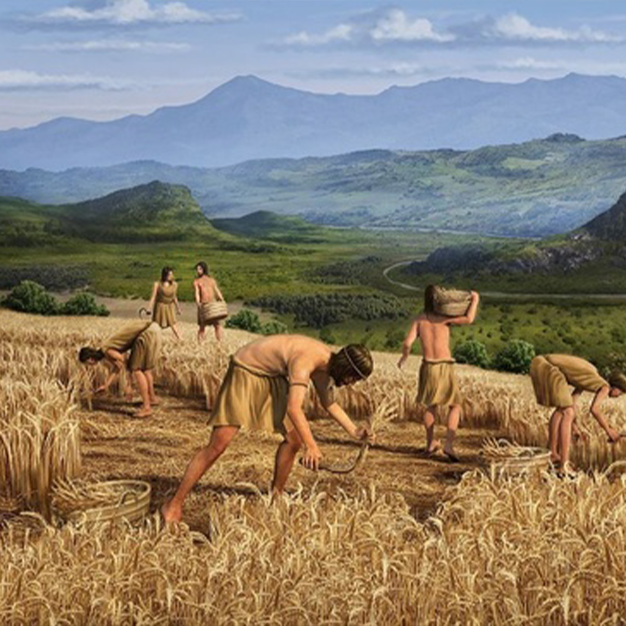
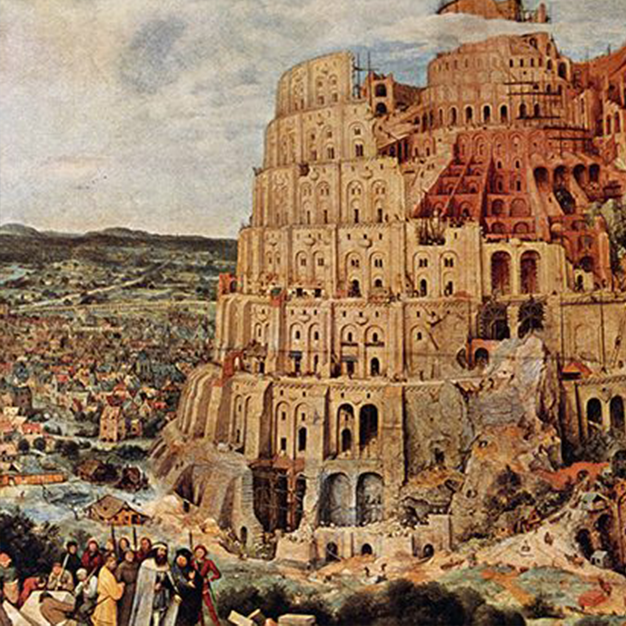
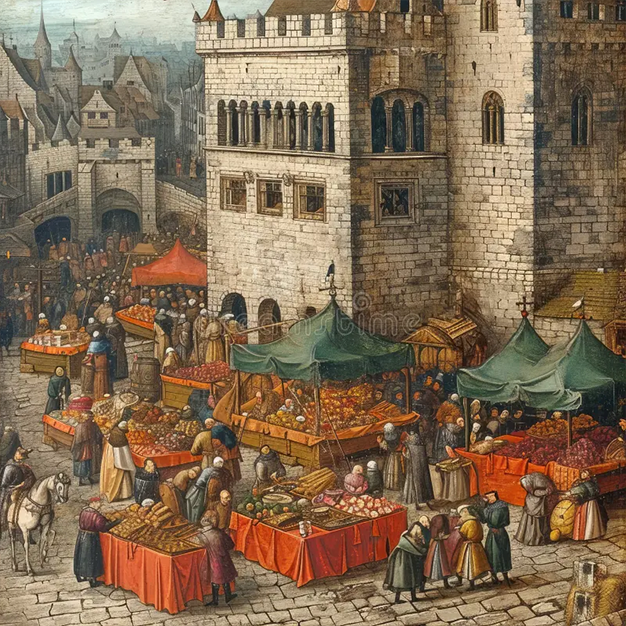
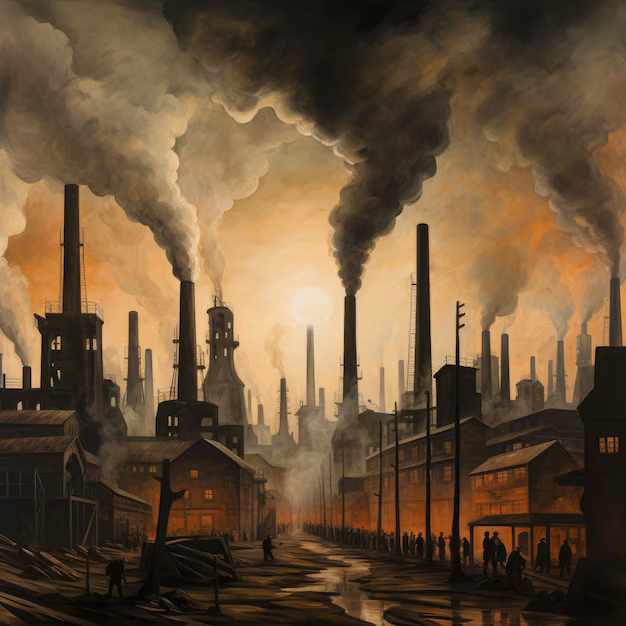
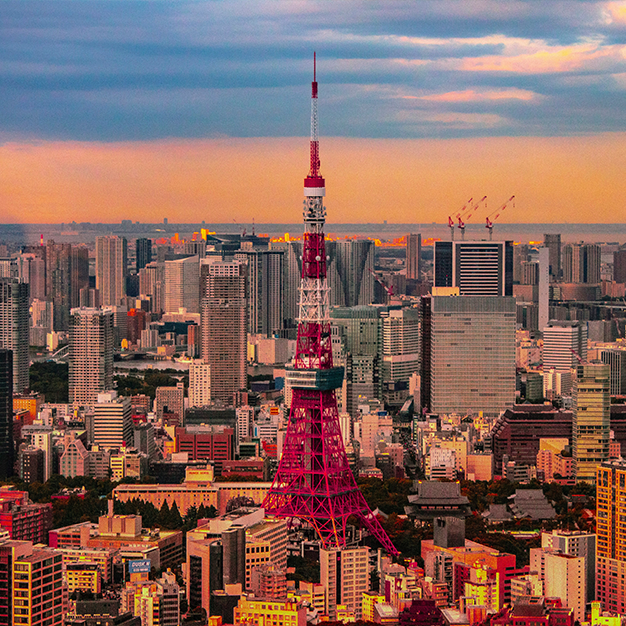
Our earliest ancestors lived as hunter-gatherers, constantly moving to find food and resources. They were highly adaptable and lived in small, close-knit groups. The development of agriculture marked a turning point. People began to settle in permanent locations near reliable water sources to cultivate crops and domesticate animals. This led to the formation of villages and towns. The first civilizations emerged in fertile river valleys like the Nile, Tigris, and Euphrates. These civilizations built impressive structures, developed complex social structures, and fostered advancements in technology and trade. After the fall of the Roman Empire, urban development slowed in Europe. However, trade routes flourished in Asia, leading to the rise of major cities like Chang'an (present-day Xi'an) in China and Baghdad in the Middle East. The Industrial Revolution sparked a massive shift from rural to urban life. Factories offered job opportunities, and cities grew rapidly to accommodate the influx of workers. This period saw significant advancements in transportation and infrastructure. The 20th and 21st centuries witnessed an explosion of urban growth. Today, megacities with populations exceeding 10 million people dominate the global landscape. These cities offer a wealth of opportunities but also face challenges of overcrowding, pollution, and resource management. As we look towards the future,
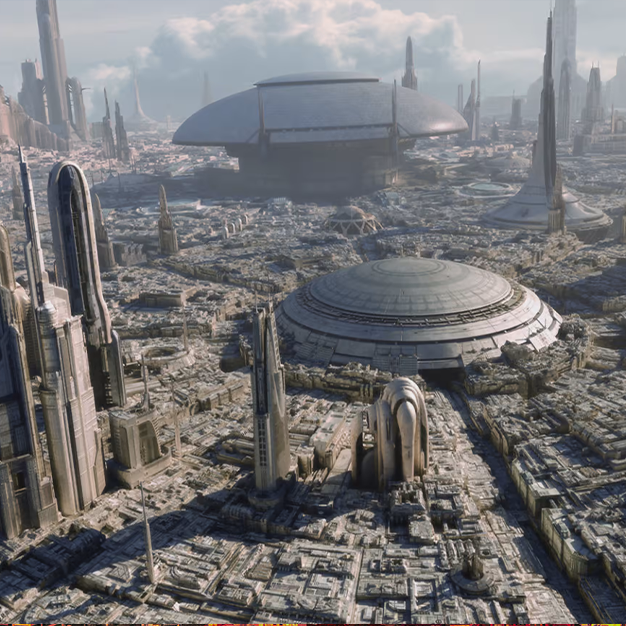
the concept of cities continues to evolve. This section explores some potential scenarios for how megacities might develop in the coming centuries.
Hunter-Gatherers
Rise of Agriculture
Early Civilizations
Medieval Urbanization
The Industrial Revolution
The Rise of Megacities
Speculative Future
Watch this short video about the human era to find out more about how we ended up living in large comunal cities.